


Please Wait...
To get you all the results so you can compare the best options
 -
08 Nov, 2026 -- 09 Nov, 2026
For cheapest fares on selected flights, please call us now!
+91 9910326021To get you all the results so you can compare the best options
-
08 Nov, 2026 -- 09 Nov, 2026
For cheapest fares on selected flights, please call us now!
+91 9910326021
India is a land steeped in history, culture, and architectural brilliance. Across its vast expanse, travelers encounter majestic palaces, ancient temples, awe-inspiring forts, and spiritual landmarks that tell tales of bygone eras. Recognizing this rich legacy, UNESCO has inscribed several World Heritage Sites in India, making the country one of the most fascinating destinations for culture and history enthusiasts. These heritage treasures not only showcase the incredible craftsmanship of our ancestors but also highlight the deep-rooted traditions that form the very essence of the heritage of India.
In this article, we’ll explore the 10 most stunning World Heritage Sites in India, each offering a unique glimpse into the country’s glorious past and cultural diversity.
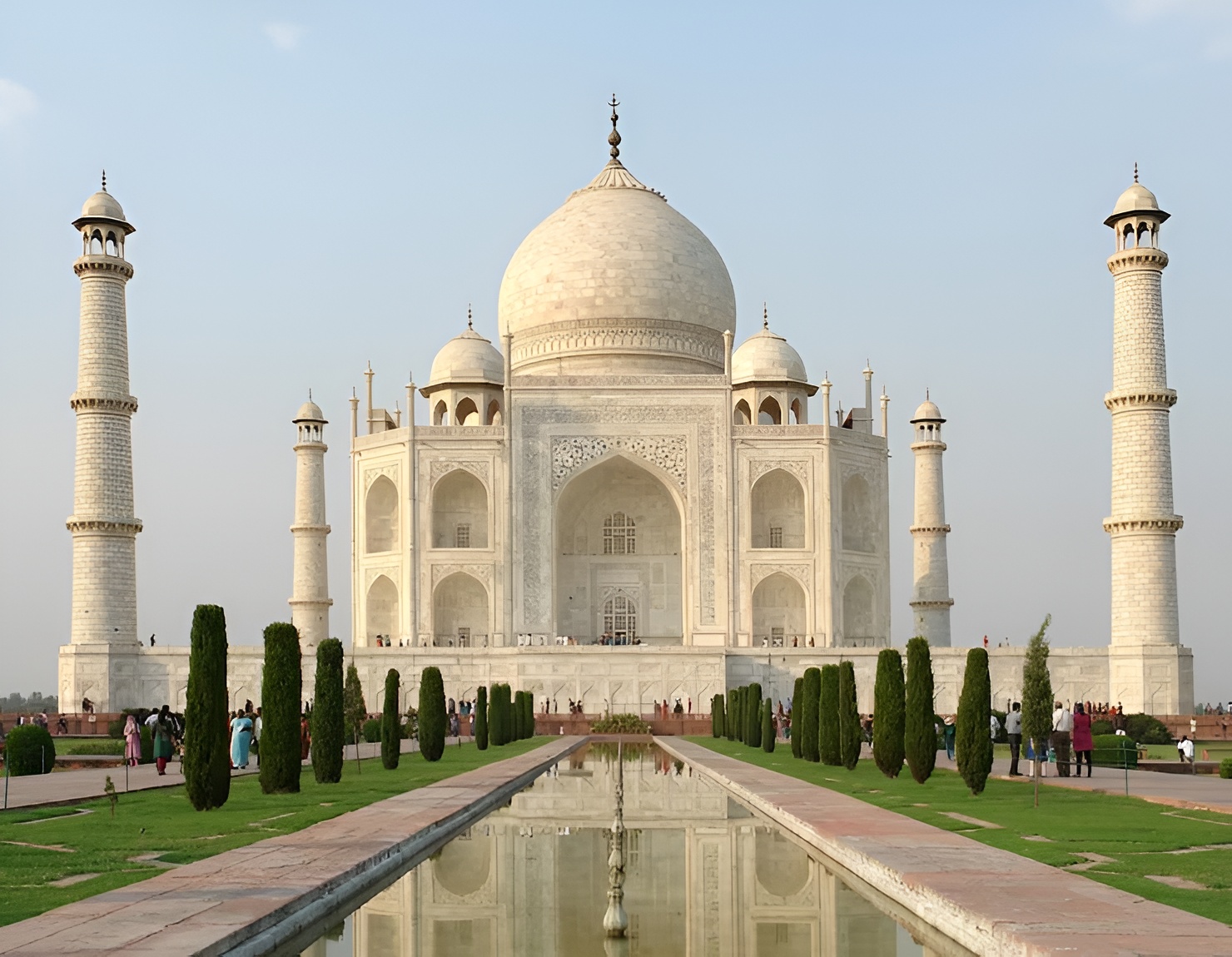
No list of heritage sites in India can begin without mentioning the Taj Mahal. Built in the 17th century by Mughal Emperor Shah Jahan in memory of his wife Mumtaz Mahal, this white marble mausoleum is the epitome of love and architectural perfection. Its intricate carvings, symmetrical gardens, and stunning reflection in the Yamuna River make it one of the most admired monuments worldwide.
Standing tall at over 72 meters, Qutub Minar is one of the tallest brick minarets in the world. Built in the 12th century by Qutb-ud-din Aibak and later expanded by his successors, this UNESCO-recognized monument reflects Indo-Islamic architecture at its finest. Surrounding the tower are other significant structures such as the Quwwat-ul-Islam Mosque and the Iron Pillar of Delhi.
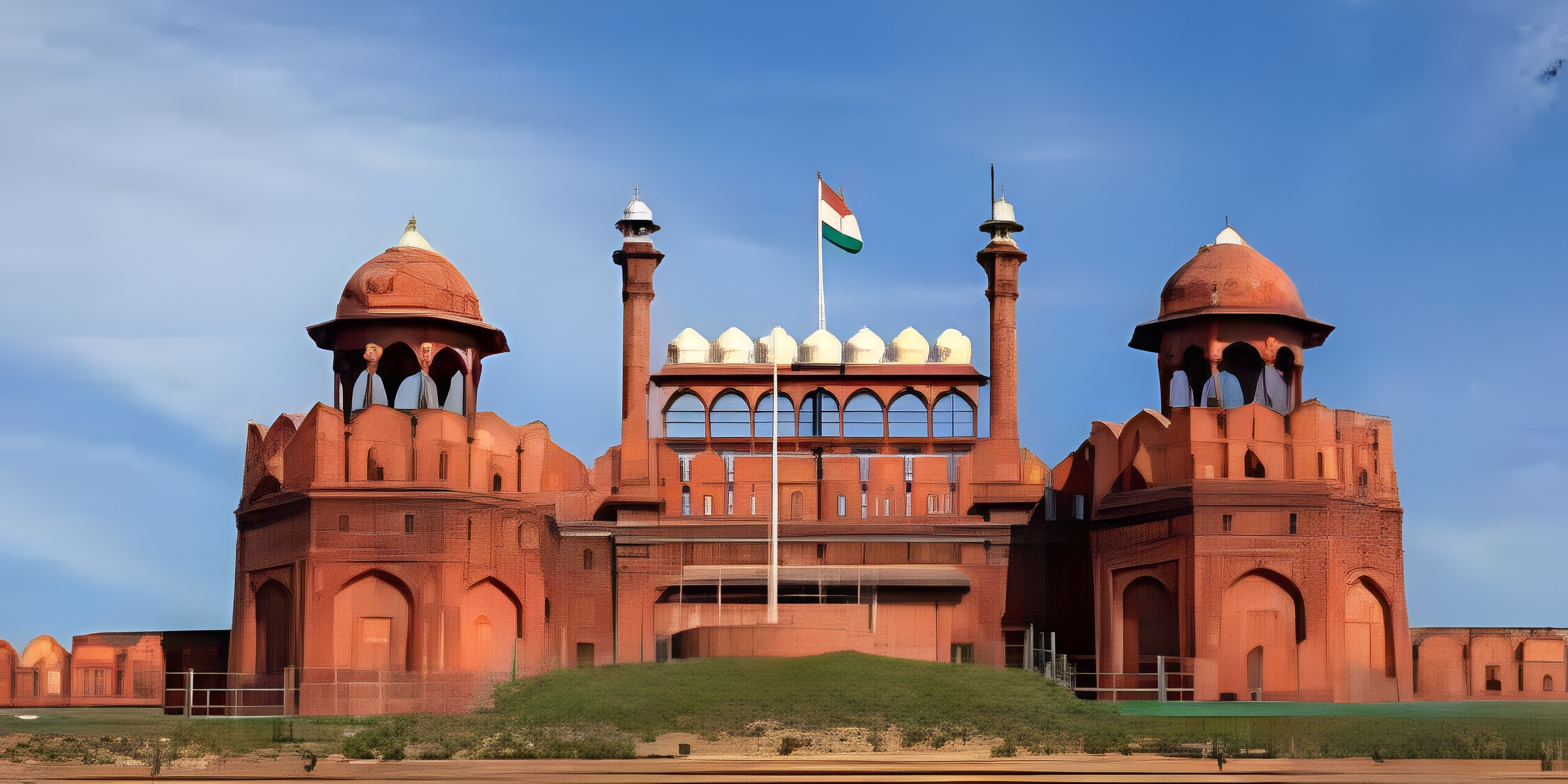
Another jewel in the heritage of India is the Red Fort, which served as the main residence of the Mughal emperors for nearly 200 years. Built from red sandstone, its sprawling walls, beautiful pavilions, and the iconic Lahori Gate are remarkable examples of Mughal grandeur. Even today, the Prime Minister of India hoists the national flag here on Independence Day.
Dating back to the 2nd century BCE, the Ajanta Caves are a group of rock-cut Buddhist monuments adorned with stunning frescoes, sculptures, and paintings. These caves depict the life of Buddha and various Jataka tales, making them a treasure trove of Buddhist art. The caves were rediscovered in the 19th century and continue to fascinate art lovers from across the globe.
Not far from Ajanta lies another marvel—the Ellora Caves. Unlike Ajanta, Ellora is unique because it houses Buddhist, Hindu, and Jain temples carved side by side. The highlight is the Kailasa Temple, carved from a single monolithic rock, showcasing unmatched craftsmanship. Ellora reflects the harmonious coexistence of different faiths in ancient India.
A masterpiece of Indian temple architecture, the Khajuraho temples are famous for their intricate sculptures depicting various aspects of life, from spirituality to sensuality. Built by the Chandela dynasty between the 9th and 11th centuries, these temples showcase the creativity and artistry that form an essential part of the heritage of India.
Located in Odisha, the Sun Temple at Konark is designed in the shape of a colossal chariot with intricately carved stone wheels, pillars, and walls. Built in the 13th century by King Narasimhadeva I, this architectural marvel celebrates Surya, the Sun God. Known as the “Black Pagoda” by sailors, the temple is a shining example of ancient Indian engineering.
Hampi, once the flourishing capital of the Vijayanagara Empire, is now a vast open-air museum of ruins and monuments. From intricately carved temples like the Virupaksha Temple to the magnificent Stone Chariot, Hampi transports you back in time. Its unique landscape dotted with boulders adds to the mystical charm.
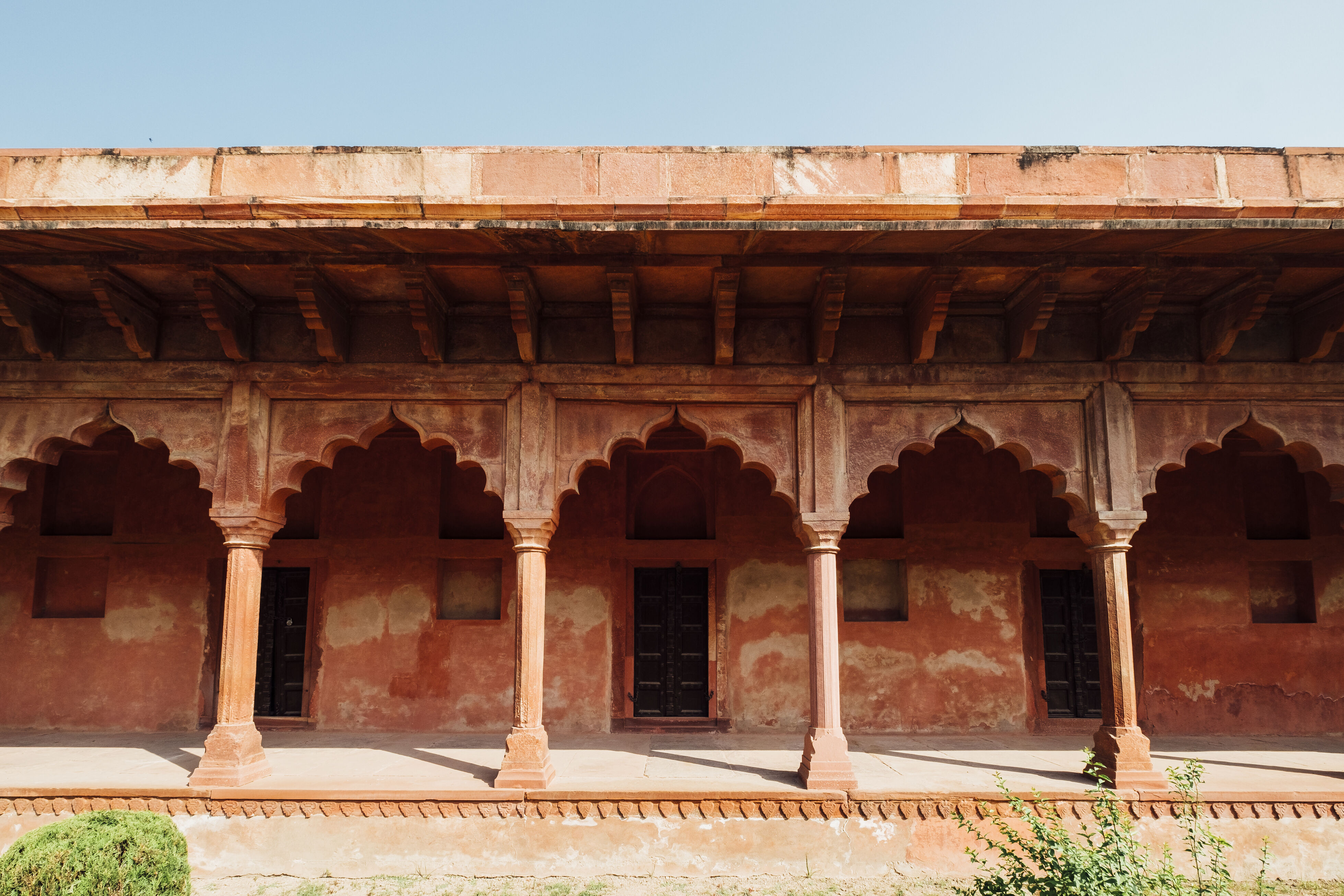
Constructed by Emperor Akbar in the 16th century, Fatehpur Sikri served as the Mughal capital for a brief period. The city’s architectural brilliance lies in structures such as Buland Darwaza, Jama Masjid, and Panch Mahal. Today, it stands as a ghost city but still echoes the splendor of Mughal architecture.
Situated along the Coromandel Coast, Mahabalipuram (Mamallapuram) is renowned for its rock-cut temples, monolithic structures, and the Shore Temple overlooking the Bay of Bengal. Built by the Pallavas in the 7th and 8th centuries, this site is a brilliant example of Dravidian architecture and maritime heritage.
These World Heritage Sites in India are not merely monuments; they are living testaments to the country’s historical resilience, artistic brilliance, and spiritual depth. Each of these landmarks represents a chapter in India’s long and varied history—from the Buddhist caves of Maharashtra to the Mughal monuments of Delhi and Agra, and the Dravidian marvels of Tamil Nadu.
By preserving these heritage sites in India, UNESCO and local authorities ensure that future generations can continue to experience the timeless wonders of the heritage of India. Visiting them is not just about sightseeing—it’s about stepping into a different era, understanding cultural legacies, and feeling the pulse of civilizations that once flourished here.
The heritage of India is vast and awe-inspiring, offering travelers a glimpse into centuries of history, art, and culture. From the marble magnificence of the Taj Mahal to the rock-cut wonders of Ajanta and Ellora, each site is a masterpiece in its own right. Exploring these World Heritage Sites in India is like embarking on a journey through time—where every monument has a story to tell and every stone whispers secrets of the past.
Visit-Journey Hoper
Looking for further information on airline policies, terms & conditions, etc.
Call now to know everything in detail.

406, 4th Floor, Suncity Trade Tower, Sector 21 Haryana 122016 Gurgaon, India


© 2026 JourneyHoper.com